The world of convenient adult beverages is evolving rapidly. Whether you’re browsing the beer aisles of your local shop or exploring a new display at your favorite liquor store, the rise of RTD cocktails and flavored malt beverages (FMBs) is reshaping how we think about ready-to-drink options. But how can shoppers distinguish between these two popular categories? More importantly, why does it matter?
In this post, we'll break down the flavored malt beverage meaning and RTD cocktail definition, delve into key differences such as beer based vs spirit based formulations, and explore how these products are carving their shelves with new trends like premiumization and occasion-based merchandising. Along the way, we’ll https://smoothdecorator.com/how-do-i-explain-rtds-to-someone-who-thinks-they-are-just-seltzers/ reference top resources including NielsenIQ’s industry data, the practical The Liquor Bros buyer’s guide, and insights from American Craft Beer.
What Is a Flavored Malt Beverage? (And What Does It Mean For Shoppers?)
Let’s start with the basics. A flavored malt beverage is essentially a drink brewed like beer but then flavored to taste like something else — think fruity, sweet, sometimes even sparkling.
Flavored Malt Beverage Definition
- Produced from malted barley or other grains similar to beer production Taste profile heavily influenced by added flavors (fruit, spices, or candy-like sweetness) Typical alcohol content ranges from 4% to 7% ABV Classified by the TTB as beer-based due to malted grain fermentation
Flavored malt beverages are often marketed as alternatives to beer or simple mixers. You might recognize brands famous for their bright packaging and approachable, sometimes sugary flavors. According to NielsenIQ's latest sales data, FMBs continue to perform well particularly among younger drinkers and those seeking low-effort, social occasions that call for something playful and easily shareable.
Understanding the RTD Cocktail Definition
On the other side, RTDs, or Ready-to-Drink cocktails, have surged in popularity with consumers aiming for cocktail-quality experiences without the mess of mixing or bartending know-how.
RTD Cocktail Basics
- Spirit-based beverages pre-mixed with juice, soda, bitters, and other cocktail ingredients Examples include margaritas, mojitos, or gin and tonics in canned or bottled form Alcohol content varies but generally resides around 8% ABV or higher Classified as spirit-based by TTB regulations, unlike FMBs
RTD cocktails target convenience and flavor authenticity. They’re winning shelf space in both liquor stores and increasingly in beer retail environments, signaling a shift towards consumer demand for packaged cocktails that feel less artificial and more “premium.” American Craft Beer’s recent reviews highlight an influx of RTDs touting better ingredients, cleaner labels, and balanced flavor profiles that move beyond syrupy sweetness.
Beer Based vs Spirit Based: The Core Differences
Feature Flavored Malt Beverage (Beer Based) RTD Cocktail (Spirit Based) Base Alcohol Malted barley or grain fermentation Distilled spirits (vodka, rum, gin, tequila, whiskey) Typical ABV 4% - 7% 8% - 12% or higher Taste Profile Flavor infused, often sweet or fruity Resembles classic cocktails, balanced with mixers and bitters Legal Classification Classified as beer Classified as spirits Typical Packaging Cans or bottles, branded like beer Cans or bottles, often marketed with premium packaging Marketing Focus Fun, easy-to-drink, socially approachable Quality cocktail experience with convenienceRTDs Moving Into Beer Retail Spaces: A Shelf Realignment
For years, flavored malt beverages primarily inhabited beer shelves or special refrigerated sections. But as the RTD cocktail category blooms, stores are adapting their layouts. NielsenIQ data shows a noticeable surge in RTD sales through beer retail outlets, which has spurred innovations in cooler and shelf organization.
The Liquor Bros buyer’s guide is an excellent resource for consumers and retailers alike, offering tips on how to spot well-crafted RTDs and distinguish them from FMBs based on packaging cues and ingredient transparency. This guide further supports the trend of occasion-based merchandising—organizing products not just by type, but by consumption moment like “summer patio sips,” “easy weekend mixers,” or “premium picnic packs.”

Occasion-Based Merchandising: Meeting Customers Where They Are
The smartest retailers understand that adult beverage shopping is often about occasions and mood. Whether it’s a backyard barbecue, a quick after-work refresher, or a https://highstylife.com/is-the-liquor-bros-rtd-buyers-guide-worth-reading/ casual friend gathering, packaging and placement that reflect these moments can drive sales and enhance shopper satisfaction.
- FMBs often target daytime, casual, youth-centric occasions with bright colors and flavor-forward messaging. RTDs lean into evening and premium casual occasions, with packaging that communicates cocktail craftsmanship and ingredient integrity.
Both categories benefit from positioning close to chilled beer and cider coolers, where convenience-focused consumers naturally browse. According to NielsenIQ, expanding RTD coolers and dedicated FMB sections boosts impulse purchases and cross-category consumption.
Convenience and Portability: Essentials in the Ready-to-Drink Landscape
Convenience is king here. Compared to bottling a six-pack of beer or mixing multiple cocktail ingredients at home, an RTD or flavored malt beverage offers portability and ease unmatched by traditional drinks. It’s why picnic baskets, tailgates, and day trips increasingly feature these products prominently.
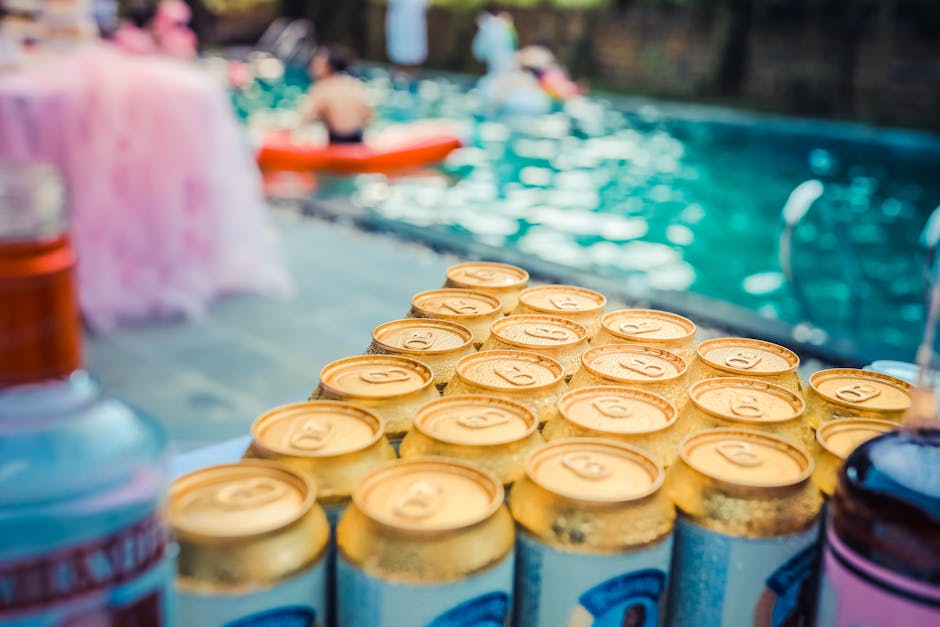
Many RTDs are formulated for spill resistance and resealing, aiding outdoor consumption. Conversely, many FMB brands stick to standard cans and bottles but win on price and simplicity.
Premiumization and Better Ingredients: A Quality Revolution
One of the most exciting recent trends is the push for higher quality in both categories. Consumers are tired of syrupy-sweet, artificial-tasting beverages cluttering shelves.
American Craft Beer regularly reviews RTD cocktails that showcase genuine craft spirit bases, real fruit juice, and no artificial sweeteners. Similarly, some FMB producers are experimenting with craft malt bases and subtle natural flavors to appeal to discerning palates.
This premiumization enhances appeal for seasoned drinkers wanting convenience without a flavor compromise.
How to Shop Smart: Tips From The Liquor Bros Buyer’s Guide
Shopping for RTDs and FMBs can feel like a jungle of options and confusing terminology. Here are some pro tips inspired by The Liquor Bros buyer’s guide to help you choose products that actually taste balanced and deliver real convenience:
Check the label for base alcohol: Spirit-based RTDs will usually list the type of spirit prominently, while FMBs may just indicate malted barley or “malt beverage.” Look beyond flashy marketing: Avoid products that overpromise with vague buzzwords. If a drink doesn’t list actual ingredients or looks syrupy sweet, it might not be worth your money. Consider your occasion: For casual easy drinking in the sun, FMBs can be fun. But for a more refined cocktail experience, RTDs with quality spirits and less sugar are winning. Don’t ignore packaging details: Better-designed cans and bottles often correlate with care in the formulation. Use resources: Check reviews from American Craft Beer and category insights from NielsenIQ to keep informed about top-performing brands.Wrapping Up: Why It All Matters
Knowing the difference between RTD cocktails and flavored malt beverages is more than just a semantics game. It helps you make a purchase that matches your taste preferences, occasion, and quality expectations. As these categories continue to blur lines and move closer together on store shelves, your ability to decode base alcohol, flavor profile, and packaging promises ensures you don’t end up with a sugary gimmick unless that’s your true aim.
The beverage world is embracing convenience without sacrificing sophistication, thanks in part to smarter merchandising strategies and rising consumer demand for premium options. With savvy shopping tools like The Liquor Bros buyer’s guide and trusted data from NielsenIQ, you can confidently navigate this vibrant, evolving shelf and find ready-to-drink options that actually taste balanced and deliver a moment worth savoring.
Cheers to smarter, tastier choice-making!